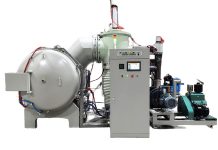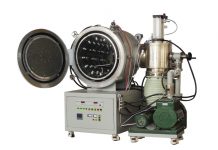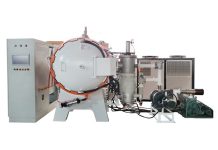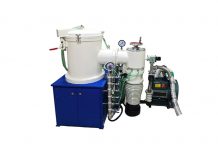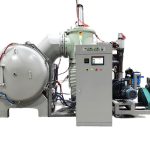
Vacuum Induction Melting Furnace (VIM) is a precision melting equipment designed for producing high-purity metals and alloys under controlled vacuum conditions. As a professional vacuum induction melting furnace manufacturer, we design and manufacture VIM systems for laboratory research, pilot production, and industrial-scale alloy melting. Our vacuum induction melting furnaces are widely used in superalloys, special steels, reactive metals, and advanced materials where purity, composition control, and repeatability are critical.
Vacuum Induction Melting Furnace Overview
A vacuum induction melting furnace combines medium-frequency induction heating with a sealed high-vacuum chamber. The metal charge is heated directly by electromagnetic induction, while the vacuum environment minimizes oxidation, gas pickup, and contamination during melting.
Compared with conventional induction melting, VIM furnaces provide cleaner melts, more stable alloy chemistry, and improved material performance, making them suitable for high-value and oxygen-sensitive alloys.
Typical Applications & Materials
Our vacuum induction melting furnaces are commonly selected for the following materials and applications:
- Nickel-based and cobalt-based superalloys
- High-performance steels (tool steel, maraging steel, stainless steel)
- Reactive metals such as titanium and zirconium
- Rare-earth magnetic materials (NdFeB, SmCo)
- Semiconductor and advanced functional materials
How the Vacuum Induction Melting Furnace Works
The vacuum induction melting process is based on electromagnetic induction heating inside a controlled vacuum environment.
- Medium-frequency power drives a copper induction coil
- Induced currents heat and melt the metal charge uniformly
- The multi-stage vacuum system removes oxygen and moisture
- Refractory crucible holds the melt based on alloy chemistry
- The tilting mechanism enables controlled pouring and casting
Key Furnace Features
- Medium-frequency power supply (IGBT or KGPS optional)
- Max. Temperature: up to 2000℃
- Vacuum system up to 7×10⁻³ Pa (mechanical + roots + diffusion pump)
- Built-in alloy feeder for precise composition adjustment
- Observation window for real-time melting monitoring
- Rectangular copper-tube induction coil for easy maintenance
- Multiple crucible options (magnesia, alumina, zirconia, graphite)
Vacuum Induction Melting Furnace Demonstration Video
The following video demonstrates a vacuum induction melting furnace manufactured by Brother Furnace. The video highlights the furnace structure, vacuum chamber configuration, induction heating system, and overall equipment layout designed for high-purity alloy melting under vacuum conditions.
Vacuum induction melting furnace equipment overview.
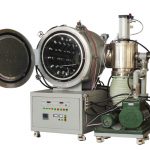
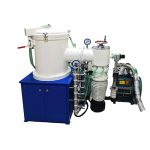
25 kg Laboratory Vacuum Induction Melting Furnace
The image shows a 25 kg vacuum induction melting furnace designed for laboratory research and small-batch alloy development. This laboratory VIM furnace provides precise temperature control and stable vacuum conditions, making it suitable for material trials and process development.

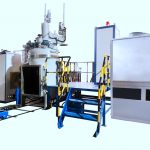
300 kg and 2 ton Industrial Vacuum Induction Melting Furnaces
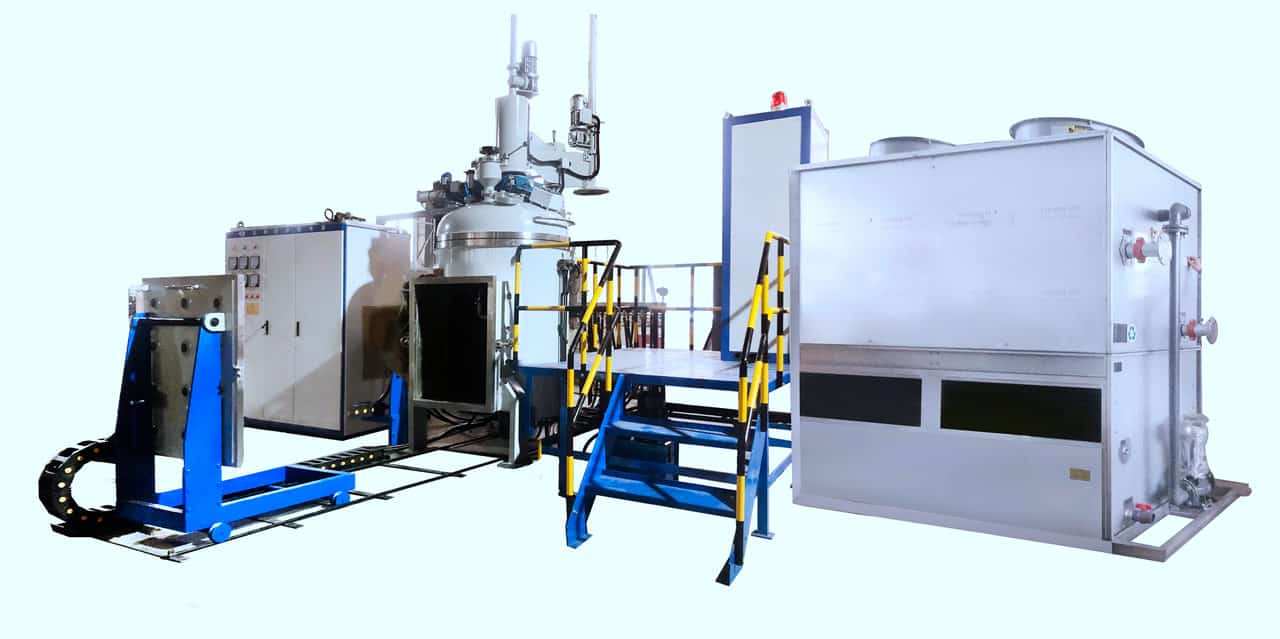
The images below show a 300 kg and a 2 ton vacuum induction melting furnace installed and commissioned in a customer production facility. This industrial VIM furnace is used for alloy melting under controlled vacuum conditions and demonstrates stable performance in continuous production environments.


Vacuum Induction Melting Furnace Specifications
| Model | Capacity (kg) | Frequency (Hz) | Power (kW) | Max Vacuum (Pa) | Cooling Water Consumption (T/H) |
| BR-RLL-10 | 10 | 3000 | 60 | 7×10⁻³ | 10 |
| BR-RLL-25 | 25 | 2500 | 120 | 7×10⁻³ | 15 |
| BR-RLL-50 | 50 | 2000 | 160 | 7×10⁻³ | 25 |
| BR-RLL-100 | 100 | 2000 | 200 | 7×10⁻³ | 30 |
| BR-RLL-200 | 200 | 1000 | 200 | 7×10⁻³ | 35 |
| BR-RLL-300 | 300 | 800 | 250 | 7×10⁻³ | 40 |
| BR-RLL-500 | 500 | 800 | 350 | 7×10⁻³ | 50 |
| BR-RLL-1000 | 1000 | 800 | 400 | 7×10⁻³ | 70 |
Other capacities and configurations can be customized based on alloy type, melting volume, and process requirements.
Laboratory Vacuum Induction Melting Furnace
| Model | Temperature | Power | Max Vacuum | Capacity |
| BR-KZG-3 | 0–1750℃ | 35 kW | 5×10⁻³ Pa | 3 kg |
| BR-KZG-5 | 0–1750℃ | 45 kW | 5×10⁻³ Pa | 5 kg |
| BR-KZG-10 | 0–1750℃ | 65 kW | 6.7×10⁻³ Pa | 10 kg |
| BR-KZG-25 | 0–1750℃ | 100 kW | 6.7×10⁻³ Pa | 25 kg |
| BR-KZG-50 | 0–1750℃ | 160 kW | 6.7×10⁻³ Pa | 50 kg |
| BR-KZG-100 | 0–1750℃ | 200 kW | 6.7×10⁻³ Pa | 100 kg |
For research institutes and pilot-scale development, we provide laboratory vacuum induction melting furnaces with compact design and precise control.
Selection Guide
To specify a vacuum induction melting furnace, the following parameters should be considered:
- Melt material and alloy composition
- Required melting capacity and batch size
- Target melting temperature
- Vacuum level and pumping speed
- Pouring and casting method
Case Study
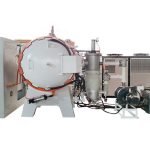
The following case study presents a vacuum induction melting furnace successfully installed and commissioned in a customer facility in Turkey. The system is designed for industrial alloy melting under controlled vacuum conditions.
2 Ton Vacuum Induction Melting Furnace Installed and Commissioned in Turkey
Why Choose Us as Your VIM Furnace Manufacturer
- Specialized in vacuum furnace manufacturing
- Custom-designed VIM solutions
- Proven industrial and laboratory installations
- Engineering support from design to commissioning
Planning a Vacuum Furnace Project?
Our engineers can assist with furnace selection, technical specifications, and commissioning support — from laboratory systems to large industrial equipment.
Frequently Asked Questions (FAQ)
What is vacuum induction melting used for?
VIM is commonly used for reactive metals and high-value alloys where oxidation control, cleanliness, and composition stability are critical.
What is the benefit of melting under vacuum?
Vacuum reduces oxidation and gas pickup during melting, which can improve material purity and consistency.
What capacity ranges are available?
VIM furnaces are available from laboratory capacities to larger industrial systems. The models above provide reference ranges, and configurations can be customized.
Can the furnace be customized?
Yes. Crucible type, chamber size, power rating, and vacuum package can be configured according to your material and process requirements.
For a complete technical guide to VIM furnaces — including component breakdown, crucible selection, VIM vs VAR vs ESR, and full specification checklist, please visit:
Vacuum Induction Melting Furnace (VIM) Explained: Engineering Guide →
(*Due to regulatory restrictions, this product is only available for domestic sales for now. We are applying for the relevant special export license. Your patience is appreciated.)
Follow us on Facebook